
“The increase in indebtedness and requests for bankruptcy protection reflects a cycle of tighter margins…”
Dourivan Cruvinel de Souza is a farmer and rancher and CEO of COMIGO Agricultural Cooperative, where he served on the fiscal and administrative boards for 14 years.
COMIGO is headquartered in Rio Verde, State of Goiás, and operates in the storage, industrialization and commercialization of agricultural production, in addition to supplying inputs, technical assistance, research and services to its members.
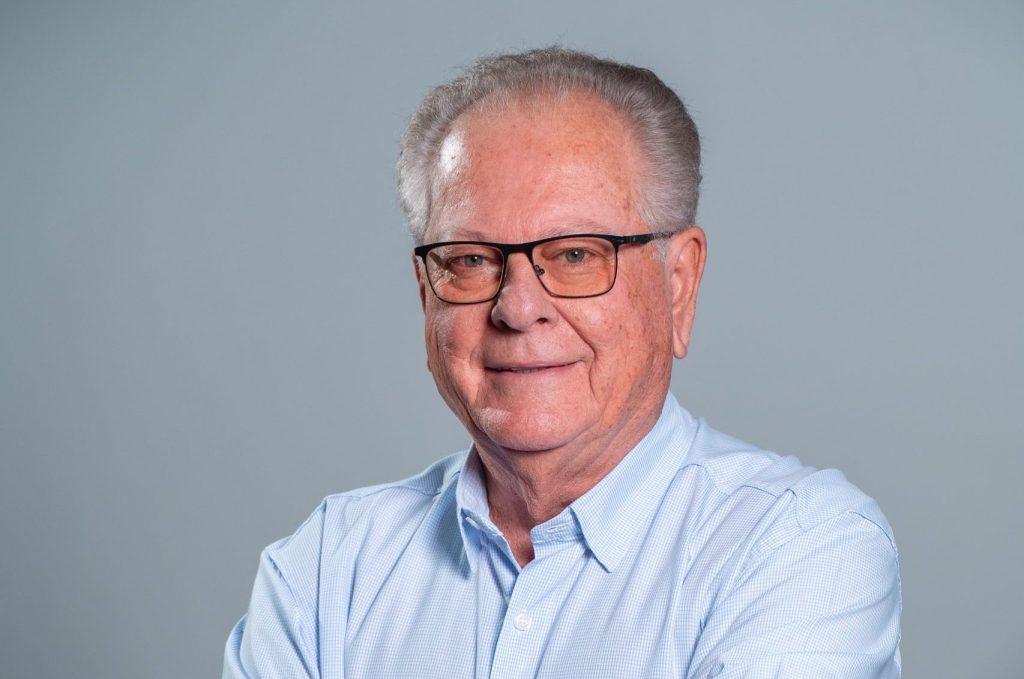
Dourivan Cruvinel, CEO of COMIGO
AgriBrasilis – How do you evaluate the agribusiness scenario in the State of Goiás?
Dourivan Cruvinel – Agribusiness in the State of Goiás remains strong, but it is going through a more complex period. We have seen a combination of high costs, climate pressure and fluctuations in the international market, which have required greater efficiency from farmers. Even so, the state maintains competitiveness, technology and scale. What has changed now is the level of management: those who are well structured, with planning and technical monitoring, continue to move forward.
AgriBrasilis – What is the impact of indebtedness and bankruptcy protection [similar to US’ Chapter 11th] cases in the State?
Dourivan Cruvinel – The increase in indebtedness and requests for bankruptcy protection reflects a cycle of tighter margins, combined with crop failures in some regions. This affects not only farmers, but the entire chain. At the same time, it reinforces the need for stricter financial management, conscious use of credit and data-based decisions. So this is a moment of adjustment, not of definitive retreat.
AgriBrasilis – You said that COMIGO is making the largest investment in its history. Is it worth investing at a time like this?
Dourivan Cruvinel – Yes, as long as the investment is strategic. COMIGO invests with a focus on the long term, operational efficiency and, above all, strengthening its members. In more challenging times, the foundations for future gains are precisely what are built. We are expanding capacity, improving structures and preparing the cooperative to remain competitive and relevant.
In addition, this investment also translates directly into support for farmers. The cooperative offers qualified technical assistance, promotes courses and training in financial management for members, continuously invests in agricultural and livestock research through the Technological Center of COMIGO, and works to ensure access to inputs and services at competitive prices. All of this is aimed at giving members greater security, efficiency and results on the farm.
A clear example of this strategy is the new soybean crushing plant under construction in the city of Palmeiras de Goiás, which is the largest investment you mentioned in your question. This is a structural investment that takes advantage of logistical gains from proximity to the railway and helps expand the industrialization of production in the state. This means more added value for soybeans produced in Goiás and, consequently, greater profitability for farmers, while also strengthening the entire regional production chain.
AgriBrasilis – How can members be protected from volatility in the grain market?
Dourivan Cruvinel – Volatility is part of the market. It always has been, and it is not something that will disappear. What we do is provide tools so that members can make better decisions. This involves market information, commercial guidance, marketing alternatives and risk management. In addition, diversification of activities and advance planning help reduce exposure and improve predictability of results.
AgriBrasilis – Are farmers becoming more selective when buying? Which factors weigh most in this decision?
Dourivan Cruvinel – Without a doubt. Farmers in Brazil are more demanding, more technical and more results-oriented. Today, they assess cost-benefit more deeply and seek efficiency and return on investment. Factors such as proven performance, technical assistance, trust in the commercial relationship and delivery predictability weigh much more than price alone.
AgriBrasilis – Is now the time for biodiesel? How has this market evolved?
Dourivan Cruvinel – This is a market that follows a global agenda of sustainability and energy diversification, while also adding value to the grain chain. The trend is for growth, with regulatory advances and an increase in the mandatory blend. Biodiesel has been consistently gaining ground. It is a topic on our radar and one we are monitoring closely, but at this time we still do not have a defined forecast for when or how COMIGO may operate directly in this market.
READ MORE: