

“Sustainability requires more analytical work, a longer time horizon and often, greater tolerance for short-term volatility…”
Fabio Alperowitch is the founder of fama re.capital, focused on long-term investment strategies targeting climate, socio-bioeconomy and inequality. Alperowitch holds a degree in Business Administration from Fundação Getulio Vargas (FGV-SP) and has completed extension programs at the University of California and the Harvard Kennedy School.
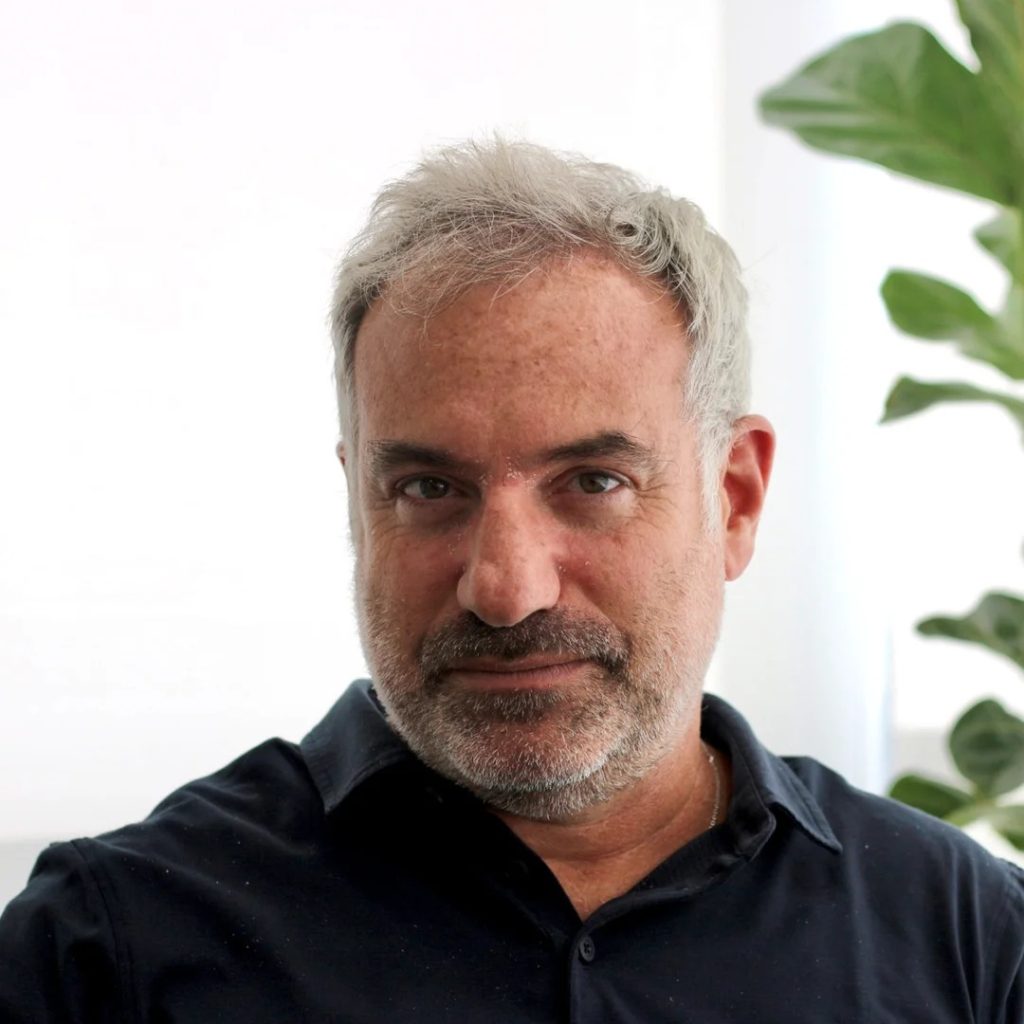
Fabio Alperowitch, founder of fama re.capital
AgriBrasilis – What criteria define a sustainable investment?
Fabio Alperowitch – For me, the central criterion is economic: the ability to generate risk-adjusted returns while materially incorporating environmental and social variables that will, sooner or later, translate into cash flow, cost of capital, or regulatory risk. Sustainability that does not change valuation is, in practice, marketing. What matters is identifying the variables that will be priced in through regulation, scarcity, or technological change and positioning the portfolio accordingly.
There is also a criterion of intentionality and engagement. It is not enough to select “good sectors/good companies”; in many cases, the greatest value lies in problematic companies where there is real room for transformation with measurable economic impact. For me, sustainability is less about exclusion and more about the ability to intervene and capture this transition.
AgriBrasilis – What is the outlook for these investments in Brazil?
Fabio Alperowitch – Brazil has a largely underexplored structural advantage: a relatively clean energy base, agricultural potential with significant productivity gains and biodiversity that, if properly managed, becomes an economic asset. At the same time, there is a major disconnect between this potential and capital allocation, which remains heavily concentrated in traditional strategies, with limited sophistication in assessing climate or nature-related risks.
In practice, the market is still superficial, with little analytical depth and almost no disciplined pricing of climate or social risk. This creates opportunities for those capable of approaching the issue with economic rigor.
AgriBrasilis – What is the role of the financial system in accelerating the low-carbon economy?
Fabio Alperowitch – The financial system has the theoretical capacity to anticipate where capital will be destroyed and where value will be created as the economy reorganizes. Its role is to reprice assets making capital more expensive for obsolete business models and reducing costs for more resilient ones.
The financial system can unlock transitions or it can delay them if it continues financing inertia.
AgriBrasilis – Is poor ESG performance driving asset managers away from certain investments?
Fabio Alperowitch – If you are referring to the market avoiding complex ESG sectors to reduce reputational risk, this creates a perverse effect: capital moves away from precisely where transformation is most needed and potentially most profitable.
For those with a more sophisticated view, “poor ESG” can represent an entry point, provided there is a clear path for improvement and the capacity to influence that trajectory. The problem is not an imperfect asset; it is the absence of a strategy to transform it.
AgriBrasilis – Despite strong growth, why is the share of sustainable funds still small?
Fabio Alperowitch – Because there is still a disconnect between rhetoric and perceived performance. Many products were structured without a robust economic thesis, which undermined credibility. In the end, institutional allocators respond to risk and return.
There is also structural inertia. Traditional models are easier to understand, compare, and justify. Sustainability requires more analytical work, a longer time horizon and, often, greater tolerance for short-term volatility. Until this is better translated into clear financial language, allocation will remain limited, partly due to the institutional inertia of some market participants.
Read more: