
“Os herbicidas responderam por 29,4% dos novos registros…”
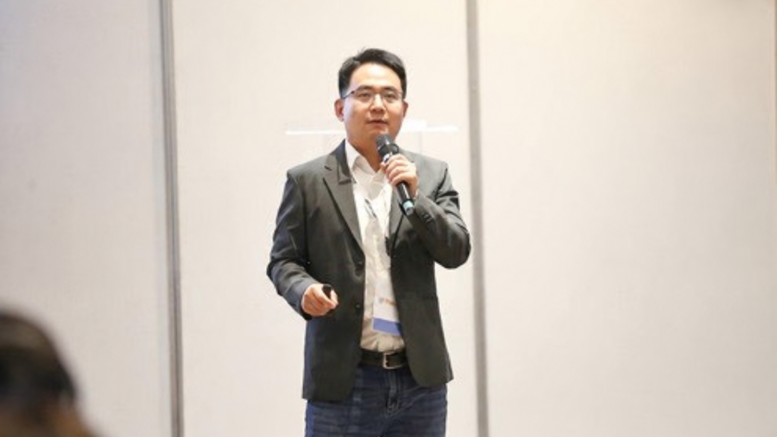
Zhang Jinlong é pesquisador independente com mais de 20 anos de experiência na indústria de agroquímicos da China e mais de 15 anos de atuação em registro e vendas para o mercado brasileiro. É especialista em desenvolvimento de produtos, registro e gestão de Planejamento de Vendas e Operações (S&OP).
Em 16 de setembro, Pesticide Science and Administration No. 8 (2026) informou que o Ministério da Agricultura e Assuntos Rurais da China (MARA) aprovou 2.406 novos registros de produtos agrotóxicos, 1.118 alterações e 2.896 renovações no primeiro semestre de 2026, incluindo 11 novos ingredientes ativos. A revista é publicada pelo Institute for the Control of Agrochemicals (ICAMA), órgão vinculado ao MARA.
Os registros em números
Os herbicidas responderam por 29,4% dos novos registros, os inseticidas por 28,7% e os fungicidas por 24,6%, com os 17,3% restantes distribuídos entre outras categorias. Dos produtos aprovados, 135 eram produtos técnicos ou concentrados técnicos e 2.271 eram formulados. As misturas superaram os produtos de ingrediente único, por 1.445 a 826, enquanto 148 registros foram concedidos exclusivamente para exportação. O clorantraniliprole concentrou o maior número de novos registros de produtos entre os ingredientes ativos.
Onze das aprovações corresponderam a ingredientes ativos inteiramente novos. Quatro são sintéticos: isoxafenacil, herbicida não seletivo inibidor de PPO desenvolvido pela Jiangshan; flubeneteram, novo fungicida SDHI; fluchloraminopyr-tefuryl, herbicida não seletivo de auxina sintética da KingAgroot; e bisulflufen, acaricida industrializado pela Yangnong. Os outros sete são produtos biológicos ou baseados em RNA. Dois dos 11 já passaram do registro para a comercialização, geram receita e buscam parceiros no exterior.
Figura 1. Decisões de registro por tipo no primeiro semestre de 2026 e dois ingredientes ativos desenvolvidos na China que já chegaram ao mercado.
Flubeneteram: lançado pela Zhongxun
Em 12 de setembro, a Guangdong Zhongxun Agroscience realizou o lançamento global on-line do Xunzhixing®, uma suspensão concentrada a 30% de flubeneteram. O composto foi sintetizado e patenteado pela primeira vez em 2013 na Central China Normal University pelo grupo de Yang Guangfu.
A Zhongxun adquiriu o composto, 71 patentes associadas e os registros do produto técnico e da formulação. Sua rota até o mercado — comprar a molécula, deter a propriedade intelectual e controlar a marca — representa uma alternativa ao modelo de fabricação por encomenda que marcou o setor chinês de agroquímicos nas últimas duas décadas.
Cyproflanilide: inseticida desenvolvido na China avança no exterior
A CAC (Nantong) comercializa cyproflanilide sob a marca Lingqiao®. O composto foi incluído no Grupo 30 do IRAC, dos moduladores alostéricos dos canais de cloreto controlados por GABA, e é o primeiro inseticida desenvolvido na China a entrar na classificação do IRAC em aproximadamente 20 anos.
No primeiro semestre de 2026, o cyproflanilide gerou vendas de RMB 283 milhões (aproximadamente US$ 40 milhões), ou cerca de 9,5% da receita da empresa. O produto está registrado e é comercializado na China, no Paraguai e no Camboja. Pelo acordo firmado em novembro de 2024, a UPL Corp detém direitos de comercialização em mais de 40 países.
Brasil e América Latina
A expansão internacional dessas moléculas é particularmente relevante para a América Latina. O cyproflanilide já está registrado e é comercializado no Paraguai, enquanto o Brasil está entre os maiores mercados do mundo para o controle de pragas lepidópteras. Os 20 maiores mercados de controle de lepidópteros movimentam cerca de US$ 6,3 bilhões, incluindo US$ 1,72 bilhão na China, US$ 1,02 bilhão no Brasil e US$ 682 milhões na Índia.
Para empresas chinesas que desenvolvem moléculas próprias, a principal limitação à expansão internacional não é a capacidade de fabricação, mas o registro, processo que leva anos nos principais mercados agrícolas. Para empresas da América Latina que buscam química diferenciada, e não apenas mais uma fonte de genéricos, isso abre oportunidades de corregistro, desenvolvimento conjunto e distribuição. O cyproflanilide já avançou por meio de um modelo de parceria, enquanto o flubeneteram está em estágio anterior.
LEIA MAIS: