
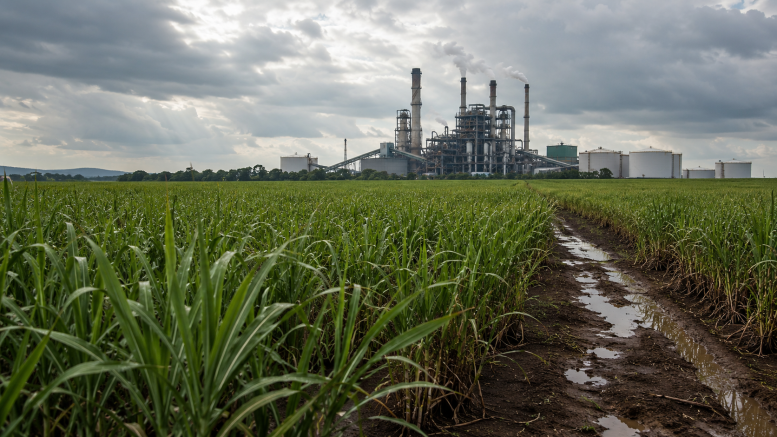
“Atypical rains reduced Center-South crushing by 28.4% in the second half of June…”
Sandro Roberto Brancalião is a scientific researcher at the Agronomic Institute (IAC) – Sugarcane Division, in Ribeirão Preto, State of São Paulo. Brancalião is an agronomist with a M.Sc. and a PhD in agriculture from São Paulo State University (Unesp).
André Luiz de Souza Lacerda is a consultant at Agrolacerda, with a degree in agronomy from the Federal University of Lavras, a M.Sc. in agronomy from Unesp, a PhD in crop science from the University of São Paulo (USP) and postdoctoral qualifications in crop science from the Biological Institute of São Paulo (IB/SP) and in chemistry from the University of Campinas (Unicamp).
Denizart Bolonhezi is a scientific researcher at the Agronomic Institute (IAC) – Sugarcane Division, in Ribeirão Preto, State of São Paulo. Bolonhezi is an agronomist with a M.Sc. and a PhD in agronomy from Unesp.
Sugarcane has historically been one of Brazil’s main agricultural commodities and has been cultivated in the country since the colonial period. Its industrial processing produces sugar and ethanol, both anhydrous and hydrous. The outlook for sugarcane and the sugar-energy sector in 2026 includes the following key developments:
Production Estimate – The increase in production is being driven by higher yields and the expansion of the harvested area. According to the National Supply Company (Conab), Brazilian production is expected to reach 709.1 million metric tons of sugarcane in the 2026/27 season, an increase of 5.3% and the second-highest volume in the historical series. The area allocated for harvesting is estimated at 9.1 million hectares, the largest ever recorded by the Company.
Climate Alert and Decline in Crushing – Unseasonal rainfall reduced sugarcane crushing in Brazil’s Center-South by 28.4% in the second half of June, to 31.15 million metric tons. The US National Oceanic and Atmospheric Administration (NOAA) indicates an 81% probability of a very strong El Niño occurring between October and December 2026.
Price Challenges – Gross Production Value (GPV) is being affected by persistently weak market prices. The Consecana-SP reference price is estimated at between R$ 1.00 and R$ 1.05 per kilogram of Total Recoverable Sugar (ATR).
E32 at the Center of Decision-Making – The National Energy Policy Council (CNPE) approved a temporary increase in the ethanol blend in gasoline from 30% to 32%. The Brazilian Sugarcane and Bioenergy Industry Association (UNICA) estimates that the measure would generate additional demand of approximately 1 billion liters per year. However, the Federal Prosecution Service has asked the courts to suspend the measure.
Pressure from US Tariffs – Since July 22, Brazilian sugar and ethanol have been subject to an additional 25% tariff in the United States. Provisional Measure No. 1,374/2026 authorized a subsidy of R$ 12 per metric ton for independent sugarcane farmers in Brazil’s Northeast affected by the tariffs or by extreme weather events.
Active Participation – The Brazilian Confederation of Agriculture and Livestock (CNA) has been actively discussing the sector’s outlook and related policies. The organization participated in the opening of the 2026 Cana Summit in Ribeirão Preto, State of São Paulo, where it defended the interests of sugarcane farmerss.
New Agricultural Zoning – The Ministry of Agriculture and Embrapa discussed the new Agricultural Climate Risk Zoning (Zarc) for sugarcane with CNA’s committee, including new municipal guidelines and risk-assessment methodologies.
Support for Farmers – Through the Campo Futuro project, CNA has continued to conduct detailed assessments of operating costs to help safeguard farmers’ profitability in the region.
The coming months will therefore be decisive. The development of El Niño, the outcome of the legal dispute involving E32 and the effects of US tariffs will determine whether the expected production growth translates into higher income for farmers or is accompanied by further pressure on margins. Even so, the outlook for the sector remains positive. Growing global concern about environmental issues has increased pressure to reduce the use of fossil fuels, which are responsible for most atmospheric pollutant emissions.

Sandro Brancalião, researcher at IAC

André Lacerda, consultant at Agrolacerda
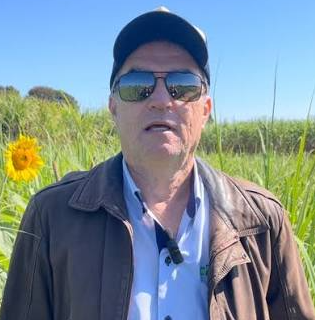
Denizart Bolonhezi, researcher at IAC